Description
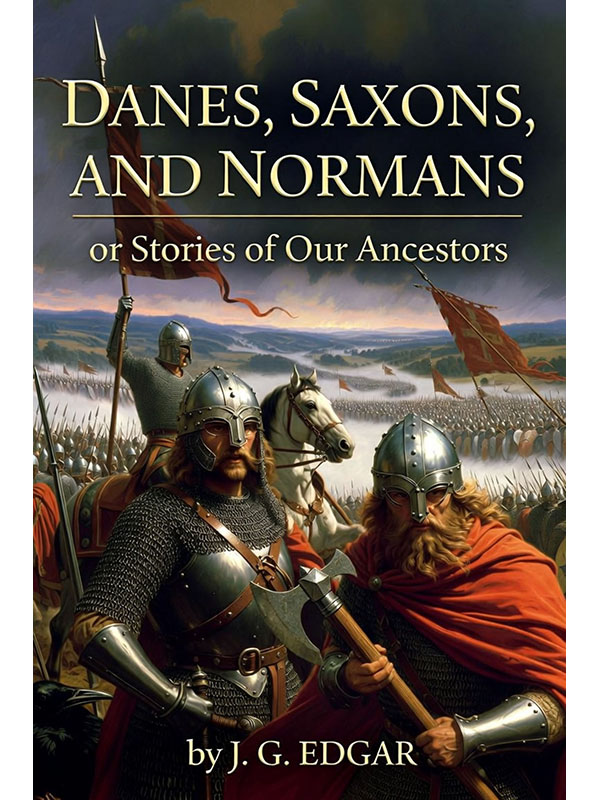
By J. G. Edgar. Journey into the dramatic age of Viking invasions, Saxon kings, and Norman conquerors in this classic work of historical storytelling.
In Danes, Saxons, and Normans; or, Stories of Our Ancestors, author J. G. Edgar brings vividly to life the dramatic struggles, invasions, battles, and heroes of early English history. Written especially for younger readers but rich enough to captivate adults, this classic volume explores the age when Saxon kings, Viking raiders, and Norman conquerors fought for power across Britain.
Through a series of engaging historical narratives, readers witness the fierce Danish invasions, the courage of Saxon rulers such as Alfred the Great, and the world-changing Norman Conquest under William the Conqueror. Edgar skillfully blends historical fact with vivid narrative, introducing readers to legendary figures, dramatic battles, and the customs and traditions of the medieval world.
The book captures an age of castles, longships, warriors, and political intrigue, showing how the struggles between Danes, Saxons, and Normans laid the foundations of the English nation. Written in a clear and accessible style, it reflects the great nineteenth-century tradition of making history exciting, memorable, and educational.
Danes, Saxons, and Normans offers readers a vivid introduction to the people and events that transformed Britain during the early Middle Ages. Its enduring appeal lies in its ability to combine adventure with genuine historical insight.
This carefully restored reprint revives a beloved classic of historical literature for modern readers. Ideal for students, homeschool libraries, and lovers of medieval history, it remains an engaging journey into the heroic age of England’s early past.
About the author: John George Edgar (1834–1864) was a prolific English writer whose works introduced generations of young readers to the history of England and Scotland. He authored fifteen books and served as the first editor of Every Boy’s Magazine. His promising literary career was cut short by encephalemia at the age of thirty.